Deliver modern, mobile-first shopping experiences that delight your customers. Drive ROI back to your business across all customer touchpoints—in-store, online, and on mobile. Book a time with our team to learn how we can help transform your business with our omnichannel solutions.
*Privacy Notice: By hitting "Submit," I acknowledge receipt of the NewStore Privacy Policy.
With changing attitudes among brick-and-mortar shoppers, consumers are less comfortable physically interacting with strangers or electronic equipment, and they have less patience for slow processes. This is why we see retail payment trends moving away from cash and chip readers and toward contactless and faster alternatives.
Below, we share 7 retail payment trends you’ll want to keep on eye for the rest of the year.
As a result of the pandemic, we’ve seen significant growth in contactless POS payments. This is one of the most notable retail payment trends, as contactless cards facilitate quicker checkout and departure.
Contactless payments are also more reliable than chip-and-pin transactions. UK consumer organization Which? calculated contactless card fraud amounted to two pence for every hundred pounds spent in 2020. In the EU, every fifth contactless transaction requires a PIN code, which also helps to minimize fraud. This has imbued smartphone payment apps with a high level of consumer trust. Mobile proximity payment volumes in America alone were worth $131 billion in 2020.
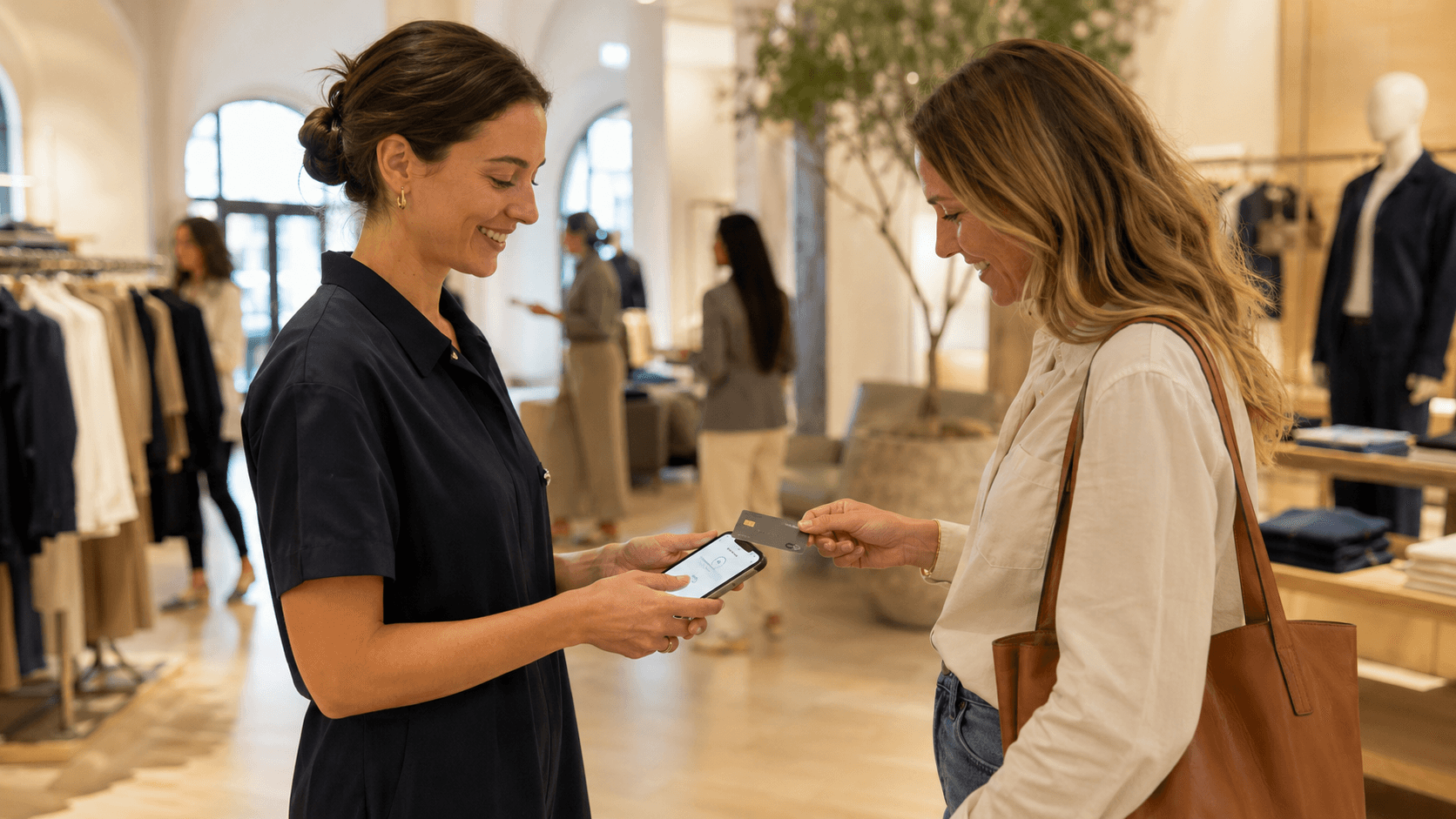
Speaking of contactless payments, in February 2022, Apple announced plans to introduce Tap to Pay on iPhone, which will allow phone-to-phone payments between merchants and consumers. This capability won’t require any additional hardware or payment terminal to accept Apple Pay, contactless credit and debit cards, and other digital wallets. All that will be needed is an iPhone and a partner-enabled iOS app.
With Tap to Pay on iPhone it will be easier for businesses of all sizes to offer contactless payments.
It’s no surprise that checks were never part of ecommerce payment trends, but their in-store popularity has also declined sharply. They’re practically non-existent in many nations. In the UK where they originated, check use fell by almost 80 percent between 2009 and 2019.
More unexpected has been the drop in cash usage, with electronic retail payment systems often eliminating the option to pay with cash. In 2019, cash was used for 32 percent of global POS volume—last year, that fell to just 20.5 percent. Banknotes and coins are increasingly supplanted by retail payment apps and electronic retail payment systems.
The future of cryptocurrencies remains highly uncertain, with governments clamping down on activities like mining and regulators stridently warning about crypto price volatility. Nevertheless, Microsoft and Starbucks now accept Bitcoin, while Visa accepts the USDC stablecoin cryptocurrency. PayPal even allows you to buy and sell cryptos, though only in the U.S. and UK.
The rise in ecommerce has gone hand-in-hand with the growth of loyalty programs which allow points to be used as payment. With mobile loyalty programs, where there is no longer a need for plastic cards because they’re managed through a branded app, it’s easy to enable customers to add vouchers to their cart to apply to purchases.
Many brands also offer store cards, credit cards customers can only use with that retailer, with the benefit being they offer customers the ability to earn rewards. A 2021 PYMNTS’ report found that 28% of consumers have at least one store card.
It’s estimated that by 2026, $995 billion will be spent through buy now pay later (BNPL), up from $226 billion in 2021. At that time, BNPL is expected to account for 24% of global e-commerce transactions.
Consumers are leaning into BNPL as it’s a low-risk way to manage money. In fact, according to research from the Motley Fool, “62% of buy now pay later users think BNPL could replace their credit cards.”
Merchants generally like BNPL as it helps to drive sales. Shoppers can make larger purchases when they don’t have to pay upfront. Consumers who successfully use BNPL are also likely to do so again, which is great for brands looking to build loyalty and retention.
The pandemic propelled consumer usage of QR codes. Many people are familiar with using QR codes to access menus at restaurants, but now businesses are using them to implement “scan to pay.”
Customers simply scan the two-dimensional barcode using their phone’s camera and are then prompted to open a website through which they can complete their electronic payment.
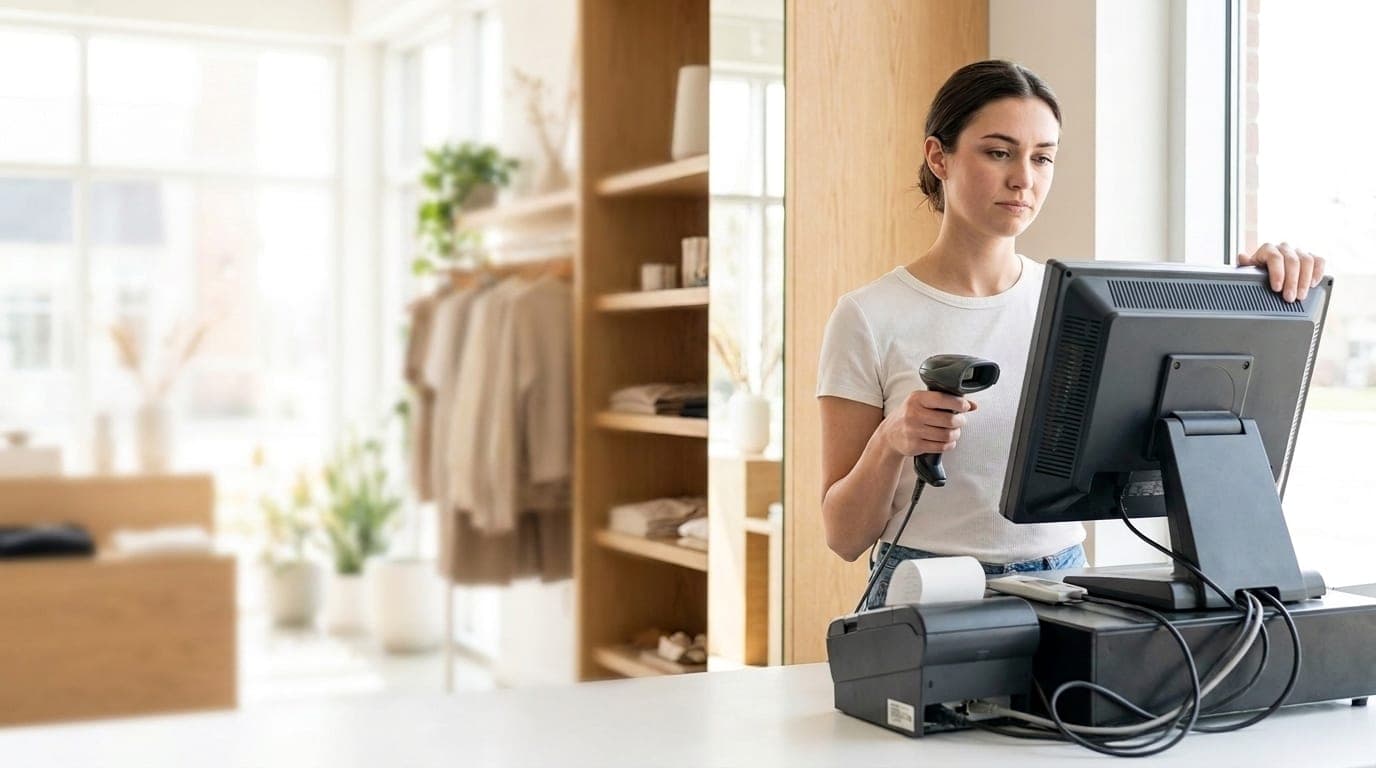
This is exactly how NewStore Checkout works. At checkout, store associates can offer a QR code for customers to scan and complete their payment on their own device.
With retail payment solutions evolving rapidly post-pandemic, companies who haven’t already moved with the times risk being left behind. From Tap to Pay on iPhone to cryptocurrencies and in-store loyalty programs, there are numerous payment trends in retail that savvy businesses need to embrace to retain a healthy customer base.
Check out our whitepaper where we review how payments play a key role in the customer experience.