6 Ways an Omnichannel POS Steps Up Shopping Experiences

Last updated on April 16th, 2026 at 10:48 am
As retail brands strive to differentiate themselves from growing competition, the importance of offering memorable in-store shopping experiences continues to rise. While some consumers may prefer to complete all of their shopping on digital channels, brands should still aim to connect with in-store shoppers by offering them personalized experiences they would not receive elsewhere. One method of achieving this involves leveraging an omnichannel point-of-sale (POS).
In this article, we cover the omnichannel POS features that are fueling more interactive shopping experiences.
Table of contents:
- What Is an Omnichannel POS?
- Traditional POS vs. Omnichannel POS
- 6 Benefits of an Omnichannel POS
- How an Omnichannel POS Fuels Sales for Footwear Brands
- Omnichannel POS: A Retail Staple for the Future
What Is an Omnichannel POS?
An omnichannel POS is a modern retail solution with features and functionality that support various sales channels, including brick-and-mortar stores, online stores, mobile apps, and any other touchpoints where customers interact with a business. This system allows brands to manage sales, inventory, and customer data across all channels seamlessly, providing a unified experience for both customers and employees.
Traditional POS vs. Omnichannel POS
A traditional POS is not built to support omnichannel brands. They are typically disconnected from other systems, hard to customize, and make it challenging to integrate new features. Furthermore, they don’t allow brands to capture and utilize real-time data. Today, customers expect highly personalized, convenient experiences, and a traditional POS makes this difficult to deliver.
On the other hand, an omnichannel POS is built for integrations, unlike its traditional counterpart, and it allows brands to tap into real-time, game-changing data. It’s a complete solution that provides in-store associates with an immeasurable amount of ways to give white-glove service and brands the ability to deliver an overall top-notch experience.
6 Benefits of an Omnichannel POS
An omnichannel POS offers flexibility and convenience, integrating seamlessly with other channels and allowing brands to provide a consistent experience. Below, we discuss the key benefits of the solution.
1. More time with customers
Brands that equip their sales associates with omnichannel POS devices can ensure they spend more time connecting with customers on the sales floor. Having the ability to check inventory on the spot – or facilitate a checkout experience without leaving the shopper’s side – ensures that associates maximize their time with customers.
Additionally, leveraging omnichannel solutions with inventory visibility helps sales associates find consumers’ requested products at a much faster rate. This translates into shoppers spending less time waiting for their associate to return from the back room and more time engaging with them – and potentially receiving great recommendations for other items to try on.
2. Inventory visibility
Sales associates can tap their omnichannel POS devices to find any size and styling information they need to assist customers without leaving their side.
Additionally, this capability is especially useful for brands trying to maximize their real estate in stores. Brands with smaller brick-and-mortar locations may want to display only one type of shoe on the sales floor and stow additional styles and colors in the back room. Omnichannel POS solutions can then help associates easily sort through the inventory to find the exact product their shopper is looking for.
3. Endless aisle transactions
Another benefit of an omnichannel POS and having superior inventory visibility is being able to unlock endless aisle technology. Endless aisle enables staff to access and sell all available products from any warehouse or retail location. In addition to boasting inventory visibility – which lets sales associates view real-time product availability from anywhere in the enterprise – endless aisle also offers customers a slew of order fulfillment options.
For example, if a shopper visits a brick-and-mortar store and realizes that their preferred shoe style and color is unavailable in their size, a sales associate can leverage endless aisle technology to find another location with that product in stock. The associate can then offer to ship the product directly to the customer’s home or to a nearby store location.
Endless aisle also drives more cross-sell and upsell opportunities, which can increase consumers’ average basket size. By giving sales associates access to the full product catalog at their fingertips, they can browse for complementary items to recommend to shoppers. If a customer is looking to purchase new fashion sneakers, for instance, the associate can use endless aisle technology to see if the store also carries socks in a matching color.
4. Mobile checkout
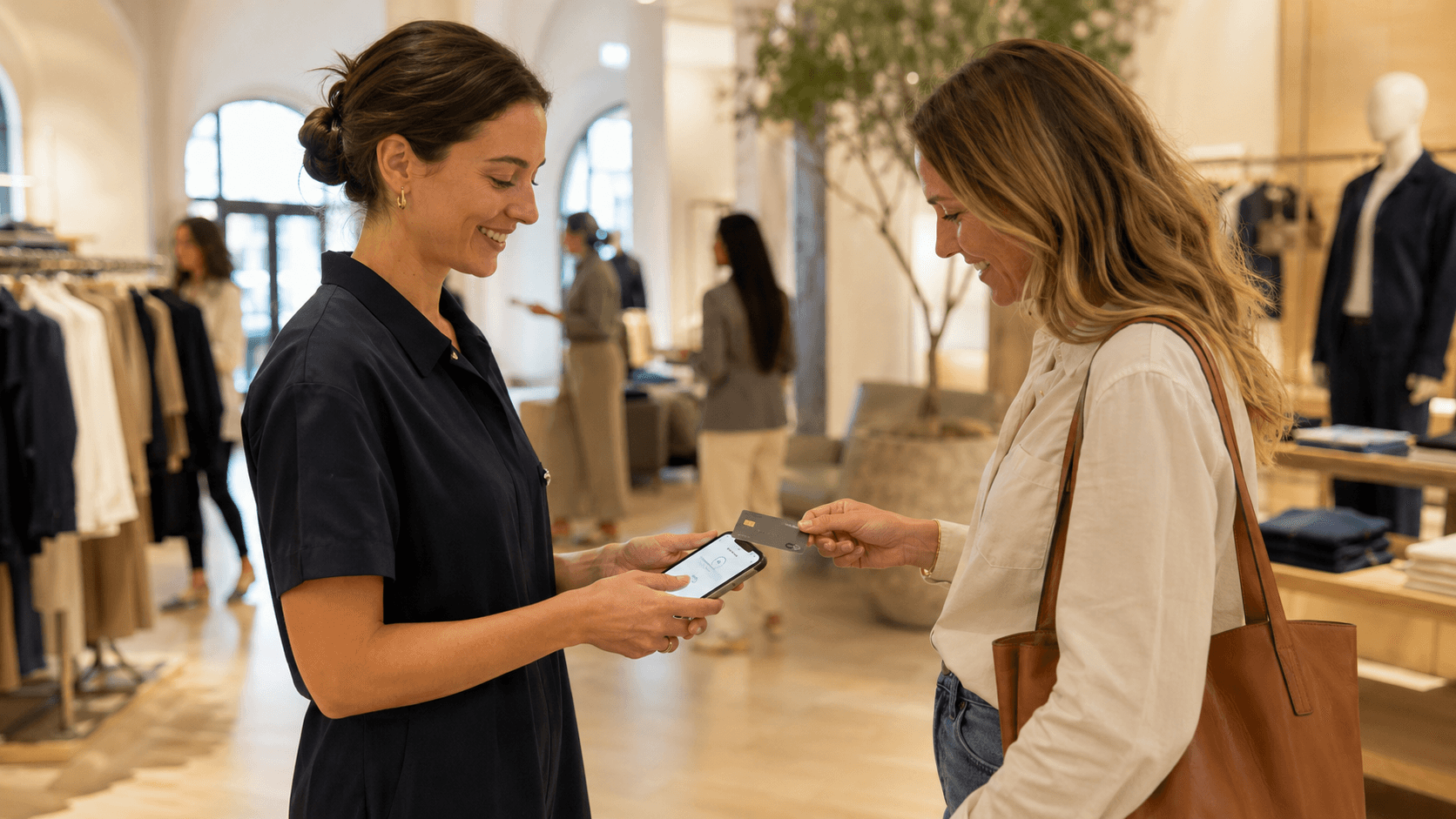
With this solution, brands can offer mobile checkout. The entire check out process, from scanning products to processing payments, is all completed on a mobile device, which creates a faster, more seamless checkout experience.
Additionally, there’s an aesthetic appeal to using an omnichannel POS for mobile checkout. Rather than having customers see a clunky checkout counter, an omnichannel POS device adds a clean, modern vibe to the checkout and store experience.
5. Personalized analytics
As consumers grow more comfortable sharing personal data, such as their height and weight, in exchange for receiving personalized product recommendations and experiences, brands can adjust their omnichannel offerings accordingly. With personalized data, brands can take their customer service and clienteling efforts to the next level, cultivating loyalty over the long-term.
6. Convenience of modern technology
In contrast to a traditional POS system, an omnichannel POS facilitates regular software and feature updates, promoting agility. Further, deploying an omnichannel POS incurs lower upfront costs, as it only requires a mobile device, eliminating the need for bulky hardware units. All software resides on the mobile device, streamlining operations and avoiding potential hardware removal down the line.
How an Omnichannel POS Fuels Sales for Footwear Brands
In-store shopping still maintains its allure, especially for apparel and footwear products, where the personalized nature of trying on products is still important. In particular, footwear brands are finding omnichannel POS solutions helpful when it comes to equipping sales associates with important customer data and information to find best-fitting products.
From giving associates mobile devices to facilitate easy checkout experiences on the sales floor to deploying technology that scans shoppers’ feet to identify the best style of shoe for their needs, the opportunities for driving customer loyalty – and sales – are vast with an omnichannel POS.
For instance, innovative scanning technology can now analyze shoppers’ feet with precision, identifying not only the correct size but also the ideal style and fit based on individual preferences and biomechanics. This not only enhances the customer experience by ensuring a perfect fit but also minimizes the risk of returns, thus optimizing operational efficiency and reducing costs.
Additionally, because of the depth of inventory in footwear – there are so many size, width, and color combinations – it’s critical for brands to be able to access and sell inventory from all locations. This is true for buying online and fulfilling in-store as well as buying in-store and fulfilling from another store through endless aisle. Without an omnichannel POS, brands wouldn’t have this flexibility or the ability to maximize sell-through rates.
When store associates are armed with invaluable customer insights and inventory information, they can offer personalized recommendations and assistance, effectively turning each interaction into an opportunity to deepen customer relationships and drive sales.
Omnichannel POS: A Retail Staple for the Future
As the retail marketplace grows more crowded – and brands attempt to reach more global audiences – leveraging an omnichannel POS solution will be critical to success. The ability to tap into features like inventory visibility, endless aisle, and store fulfillment options will enable brands to create more personalized shopping experiences while increasing the likelihood of driving sales.
Ultimately, consumers dictate the direction of the marketplace – and they increasingly want more experiences with a blurred line between digital and physical shopping channels. To meet the needs of their digitally savvy shoppers, retail brands should invest in a holistic platform that can seamlessly manage inventory, customer data, order fulfillment, product information, and more – and that’s an omnichannel POS solution.
Brands with an omnichannel presence enjoy a higher compound annual growth rate (CAGR) in market share, as discussed in our Guide to Creating an Omnichannel Strategy.
Interested in finding out how your brand can use an omnichannel POS to transform the customer experience? Speak with one of our experts today.
Mobile POS vs. Traditional POS System: What’s Really Different?
A traditional POS system and a mobile POS system can both process a transaction. The difference is what each one allows the store to do around it. Traditiona…
Jul 28, 2026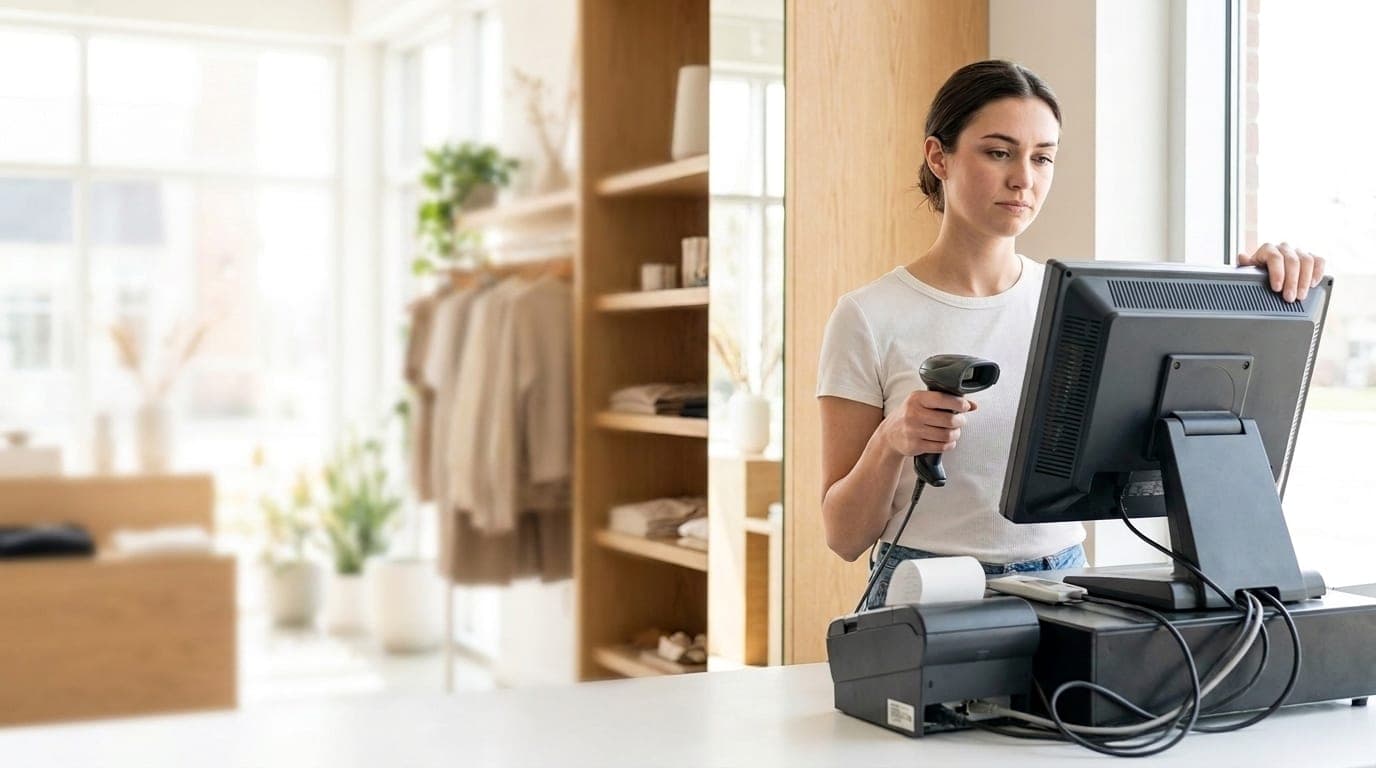
Five Signs You’ve Outgrown Your Legacy POS
Legacy POS systems don’t usually announce that they’ve reached their limits. Instead, they ask for one more workaround. One more integration. One more manual…
Jul 14, 2026
What’s Possible with a Modern Retail POS?
What your associates can do in the store determines what your customers experience. A modern retail POS changes both. Traditional point of sale systems were…
Jun 25, 2026